


TIRUCHY: There has been an increase in the number of young people seeking treatment for opioid dependence in Tiruchy, with Mahatma Gandhi Memorial Government Hospital (MGMGH) treating more than 30 opioid-related patients between January and July this year, against 40 in the whole of 2025 and 68 in 2024.
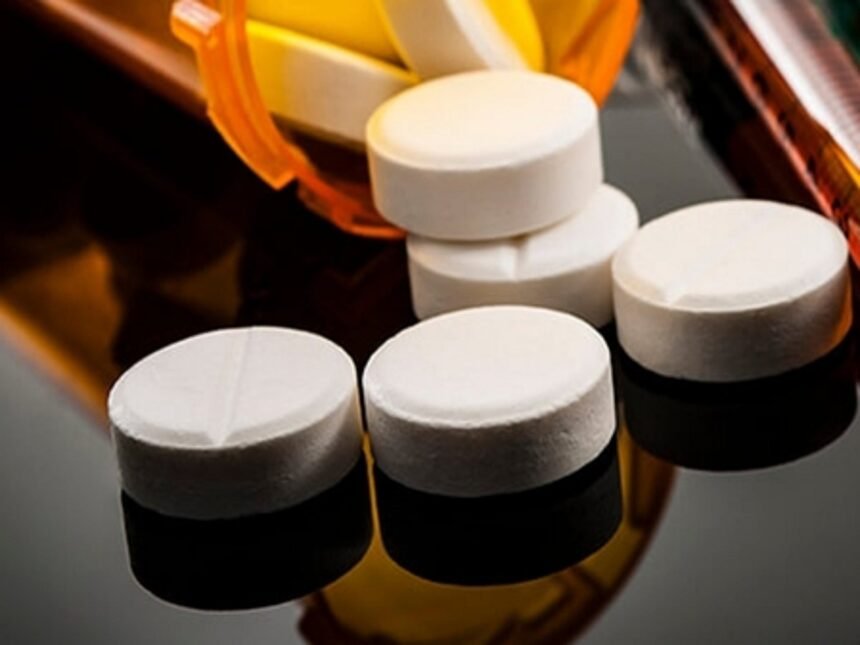
Doctors say a growing number of these patients are using Tapentadol, with some injecting the drug and developing polysubstance dependence, raising concerns over syringe-sharing and infections such as Hepatitis C.
More than 25 private de-addiction centres are functioning in Tiruchy district, sources said. District Mental Health Programme personnel, during their monthly visits to the Tiruchy prison, said they see at least 10 opioid users on average, including men and women, requiring counselling.
Most of the Tapentadol users being treated at MGMGH are aged between 17 and 30, said a nodal officer of the De-Addiction Centre at the hospital. Many are injecting them, with some reporting repeated use through the day, the person said. Polysubstance use involving alcohol and cannabis is also common among those seeking treatment.
The health consequences are becoming increasingly evident. At least 10 patients in the drug-use group tested positive for Hepatitis C between June and August, according to doctors at MGMGH, who identified sharing of syringes as a major concern. Repeated injections can also cause serious local and vascular complications, while doctors have encountered patients reporting episodes of fainting and seizures after being admitted to the hospital.
The extent of dependence is illustrated by a 26-year-old patient undergoing treatment at MGMGH. He told TNIE that he began using Tapentadol at the age of 17 and that five or six users would pool money to obtain the tablets. Some users would inject the dissolved tablets once every four hours. Despite earning about `16,000 a month, he spends around `700 a day on Tapentadol and about `1,000 a day on drugs overall, he said, borrowing money from his parents and fellow workers. He also consumes cannabis and alcohol.
The nodal officer said the young age of many users and the frequency of polysubstance use were major concerns. Treatment at the de-addiction centre involves assessment, detoxification, counselling and de-addiction, with opioid-replacement treatment used for appropriate patients.
Disclaimer: This content has not been generated, created or edited by Finance SC. Publisher:
Source link
Source link