


Ludhiana’s Municipal Corporation plans water-based fogging, expecting ₹1 crore in annual savings while addressing mosquito breeding concerns.
The Municipal Corporation of Ludhiana has announced plans to adopt a water-based fogging method in its efforts to control mosquito populations. This initiative aims to address growing mosquito breeding concerns while offering considerable financial savings. The corporation estimates that the transition to water-based fogging could result in annual savings of approximately ₹1 crore.
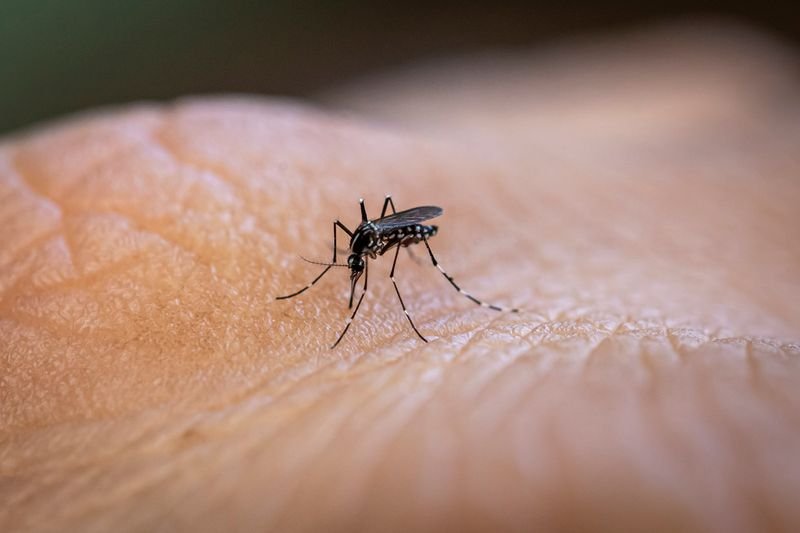
The decision comes amid rising public concern over stagnant water accumulation in various areas following the recent monsoon rains. Residents have expressed worries that these conditions could lead to an increase in mosquito-borne diseases such as dengue and malaria. Reports indicate that many locations remain waterlogged, providing ideal breeding grounds for mosquitoes, which lay eggs in still water.
Municipal officials confirmed that traditional fogging operations have already commenced in areas identified as vulnerable to mosquito breeding. They noted that the water-based approach is intended to improve the efficiency of these operations and enhance the effectiveness of mosquito control measures. Fogging machines have been deployed across different neighbourhoods to mitigate the risks associated with mosquito proliferation.
Ajay Gupta, a local Member of the Legislative Assembly (MLA), remarked, “The fogging exercise is critical to controlling the mosquito population and preventing the spread of diseases during the monsoon season.” However, he acknowledged that fogging alone may not suffice if stagnant water is not efficiently managed.
Health experts have consistently indicated that preventing mosquito breeding at the source is more effective than relying solely on fogging after the adult mosquitoes have emerged. Residents are urged to regularly inspect and eliminate potential breeding sites, including discarded containers, flower pots, and other objects that may hold water.
In addition to municipal efforts, residents are encouraged to take preventive measures such as using mosquito repellents, wearing protective clothing, and keeping windows and doors screened. Should symptoms of mosquito-borne illnesses—like high fever and severe headaches—manifest, individuals are advised to seek medical attention promptly.
As the Municipal Corporation moves forward with this initiative, the community’s cooperation will be essential in combating mosquito breeding and safeguarding public health. The introduction of water-based fogging is seen as a progressive step in addressing the challenges posed by this seasonal health threat.
Disclaimer: This content has not been generated, created or edited by Finance SC. Publisher:
Source link
Source link