



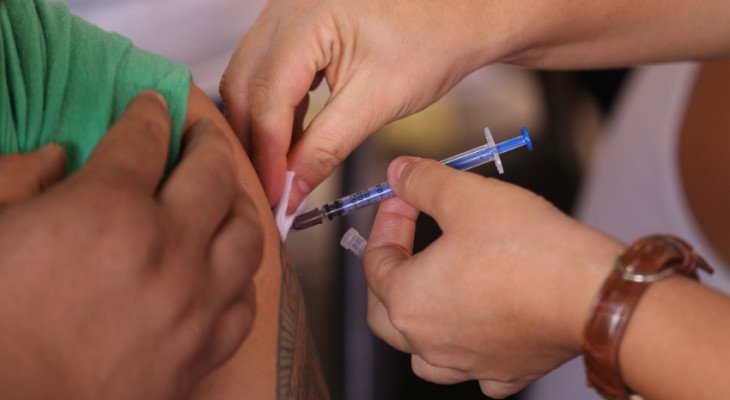
India has approved its first dengue vaccine, marking a significant milestone in the country’s efforts to combat one of its most persistent mosquito-borne diseases. The Central Drugs Standard Control Organisation (CDSCO) has granted marketing authorisation for Qdenga, a live, attenuated tetravalent dengue vaccine, making it the first vaccine approved in India for the prevention of dengue disease.
The approval comes at a time when dengue continues to pose a major public health challenge, particularly during the monsoon and post-monsoon months. Every year, thousands of people across the country are hospitalised with dengue, placing a considerable burden on healthcare systems. While mosquito control and public awareness remain the cornerstone of prevention, experts believe vaccination could become an important additional tool in reducing the disease burden.
What Is Qdenga?
Qdenga is a live, attenuated tetravalent dengue vaccine developed using recombinant DNA technology. Unlike vaccines that target only one strain, Qdenga is designed to provide protection against all four dengue virus serotypes (DENV-1, DENV-2, DENV-3 and DENV-4), which circulate globally and are responsible for dengue infections.
The vaccine is supplied as a freeze-dried powder that is reconstituted before administration and given as a subcutaneous injection.
Dr. Dinesh Kumar, Director Internal Medicine, Fortis Greater Noida said, “The approval of India’s first dengue vaccine, QDENGA (TAK-003), is an important development in the prevention of dengue, a mosquito-borne viral infection that causes a significant number of illnesses and hospitalisations every year. The vaccine is designed to provide protection against all four dengue virus serotypes DENV-1, DENV-2, DENV-3 and DENV-4.”
Dr Kumar also highlighted that In India, the vaccine has reportedly been approved for individuals between 4 and 60 years of age. It is administered as a two-dose schedule, with the second dose given three months after the first. An important advantage is that vaccination does not require routine testing to establish whether a person has previously had dengue.
People living in areas with a high burden of dengue or frequent outbreaks may particularly benefit from vaccination. However, vaccination decisions should be individualised, especially for people with underlying medical conditions. Because QDENGA is a live-attenuated vaccine, people with significant immune suppression and pregnant women should not receive it unless future official guidance specifically advises otherwise. Anyone with a history of severe allergic reaction to a vaccine component should also discuss eligibility with a doctor.
Who Is Eligible?
According to the approval granted by CDSCO, Qdenga is indicated for individuals between 4 and 60 years of age.
The vaccination schedule consists of two doses of 0.5 ml each, administered three months apart. Completing both doses is important to achieve the intended level of protection.
How Effective Is The Vaccine?
The approval is based on extensive clinical studies evaluating the vaccine’s safety, immunogenicity and efficacy across both dengue-endemic and non-endemic countries. Clinical trials included participants from more than eight countries, including Brazil, Thailand and Sri Lanka.
Importantly, a Phase III safety and immunogenicity study was also conducted in India among individuals aged 4 to 60 years before regulatory approval was granted.
The vaccine has already been authorised in 42 countries, including the European Union, the United Kingdom, Switzerland, Indonesia, Malaysia and Thailand. It has also received World Health Organization (WHO) prequalification, allowing it to be considered for procurement by international agencies.
Globally, more than 24 million doses have been distributed, with post-marketing surveillance indicating a favourable safety profile.
Does The Vaccine Prevent Every Dengue Infection?
While vaccination offers significant protection, it does not guarantee that a person will never develop dengue.
Like most vaccines, Qdenga is designed to reduce the risk of infection and, more importantly, help prevent severe disease and complications. Individual protection may vary depending on several factors, including prior exposure to dengue viruses and circulating serotypes.
For this reason, vaccination should be viewed as one component of dengue prevention rather than a replacement for existing public health measures.
Dr Vikas Maurya, Senior Director & HOD, Respiratory Medicine, Respiratory Critical, Care & Interventional Pulmonology, Dept. Of Pulmonology & Sleep, Disorders, Fortis Hospital, Shalimar Bagh, Delhi said, “Dengue infection can be asymptomatic on one end and on the other end can be very deadly with dengue haemmorhagic fever being the deadliest form if occurs and become uncontrolled.”
Dr Maurya also emphasised that Prevention eliminating vector breeding sites is the most effective line of defence against dengue transmission. Followed by Personal protection being the common practice. Still many people get affected despite all these measures or due to ineffective implementation of sanitation and public health measures.
Another important prevention tool now available is Vaccine.
Is Vaccination A Substitute For Mosquito Control?
No.
Public health experts emphasise that vaccination should complement—not replace—measures to prevent mosquito bites.
The Aedes aegypti mosquito, which spreads dengue, breeds in clean stagnant water commonly found in containers such as buckets, flower pots, coolers and discarded tyres.
Simple preventive measures remain essential, including:
Eliminating stagnant water around homes.
Using mosquito repellents.
Installing window screens.
Wearing full-sleeved clothing where appropriate.
Sleeping under mosquito nets in high-risk areas.
Cooperating with local vector-control programmes.
These interventions continue to play a crucial role in reducing dengue transmission.
Why Is A Dengue Vaccine Important?
Developing a dengue vaccine has long been considered one of the most challenging tasks in infectious disease research because the virus exists in four different serotypes.
An individual infected with one serotype develops immunity only against that specific strain. Subsequent infection with another serotype may increase the risk of severe dengue due to a phenomenon known as antibody-dependent enhancement (ADE). Scientists have therefore worked for years to develop vaccines capable of providing balanced protection against all four serotypes.
The approval of a tetravalent vaccine represents an important scientific achievement and provides healthcare providers with an additional preventive option.
Dr Avi Kumar, Senior Consultant, Pulmonology, Fortis Escorts Herat Institute, Okhla said, “In my view, India’s approval of the Qdenga dengue vaccine is an important advancement in our efforts to prevent dengue and reduce its health burden. However, I believe vaccination should be considered as one part of a comprehensive prevention strategy.”
Dr Kumar also noted as a physician, he advises individuals to discuss their eligibility and suitability for the vaccine with their healthcare provider, taking into account factors such as age, medical history, immune status, and previous dengue exposure. While the vaccine can help reduce the risk of symptomatic dengue and hospitalisation, it does not eliminate the possibility of infection.
What Should People Know Before Getting Vaccinated?
Individuals considering vaccination should consult a qualified healthcare professional to determine whether the vaccine is appropriate for them.
People should also remember that vaccination does not eliminate the need to seek medical attention if symptoms suggestive of dengue develop.
High fever, severe headache, pain behind the eyes, muscle and joint pain, nausea, vomiting, skin rash and unusual bleeding require prompt medical evaluation. Early diagnosis and supportive treatment remain the most effective ways to prevent severe complications.
A New Chapter In Dengue Prevention
The approval of India’s first dengue vaccine marks an important step forward in strengthening the country’s fight against dengue. However, experts caution that vaccines alone cannot eliminate the disease.
A comprehensive strategy combining vaccination, mosquito control, environmental sanitation, early diagnosis, timely treatment and sustained public awareness will remain essential to reducing dengue-related illness and deaths. As Qdenga becomes available in India, healthcare professionals and public health authorities will play a key role in guiding its appropriate use while reinforcing the importance of conventional preventive measures.
Disclaimer: This content has not been generated, created or edited by Finance SC. Publisher:
Source link
Source link