



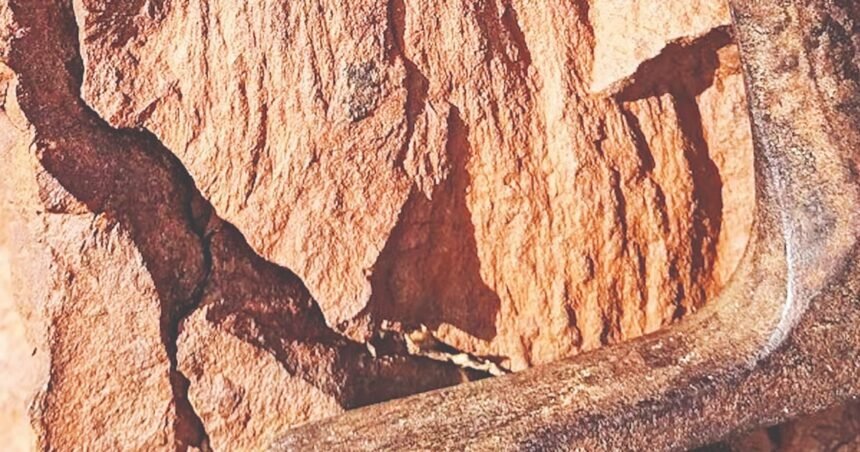
To find the missing page number, we looked inside the rocks. Tiny crystals can act as clocks, recording when they formed or changed. The key mineral was zircon, which is tiny, tough, and exceptionally good at keeping time. In one shatter cone, we found several types of zircon. Some preserved ages are older than 3.4 billion years, reflecting the ancient rocks that were hit. But another group had skeletal shapes, like tiny frozen lightning bolts, giving an age of 3 billion years.
To confirm this, we needed another clock. We found it in apatite, a phosphate mineral that grows when hot fluids move through broken rock — a system that an impact typically creates. The apatite gave the same age. Two clocks, in different minerals, pointed to the same event about 3.02 billion years ago.
Disclaimer: This content has not been generated, created or edited by Finance SC. Publisher:
Source link
Source link