



Explosive diarrhea
Although the outbreak has received increasing attention, understanding how public health agencies monitor these infections helps put the current situation into perspective. Forty-seven states mandate reporting of cyclospora infections. However,
Despite these alarming numbers, finding the cause and source of this illness is a testament to the investigative acumen of public health epidemiologists.
Part of the challenge is that Cyclospora is difficult to test for; it is not detected on routine stool testing. Specific
Complicating matters further, cyclosporiasis can have an incubation period of up to 2 weeks, making it difficult to find the source. However, past outbreaks have been linked to uncooked vegetables, providing epidemiologists with a starting point.
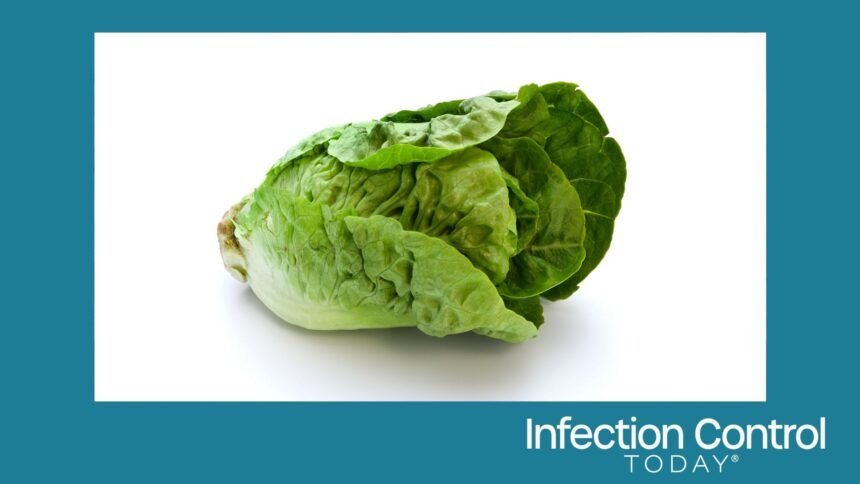
Fortunately, investigators have made significant progress. Many of the cases were reported to be linked to Taco Bell. The iceberg lettuce supplied by Taylor Farms, an international agricultural produce supplier, is the leading culprit.
An important distinction. Diarrhea after eating Mexican food may now raise a red flag in many customers, but it is probably benign, especially if jalapenos were involved. Common peppers contain the chemical capsaicin, which makes them “hot” and irritates the gut, speeding transit. However, this type of diarrhea occurs
Even so, there is no reason for widespread alarm. The
Person-to-person transmission is extremely rare. Cyclosporiasis is not Ebola or COVID-19. Most people recover without sequelae. It is not a viral infection, and with treatment, the long-term complications of malabsorption and reactive arthritis are exceedingly unlikely.
There is another important consideration. Similar to COVID-19, misinformation is starting to appear on social media. Some are recommending the anti-parasitic medication,
There are several practical steps people can take to reduce their risk.
- The current outbreak has been linked to salad greens. It is best to purchase heads of lettuce and to discard the outer 2 to 3 layers. And of course, thoroughly wash all raw produce.
- When possible, cook the produce to 158°F. Washing alone will not guarantee safety.
- Wash your hands with soap and water after handling raw produce.
- If you develop diarrhea that lasts longer than 3 to 5 days, seek medical attention sooner if you are medically frail, immunocompromised, or elderly.
From social media reports, even a mild illness may seem like an eternity to those afflicted. But in view of the relative infrequency of these infections and the treatments available, lifestyle changes are not warranted, except possibly installing a soft toilet seat and keeping plenty of soft toilet paper on hand.
One final thought: Support local farmers. During the initial stages of the outbreak, I all but ravaged my prize patio lettuce plant. Knowing where your food comes from is one of the best ways to avoid foodborne illnesses, especially in the age of decreased federal surveillance.
Disclaimer: This content has not been generated, created or edited by Finance SC. Publisher:
Source link
Source link