



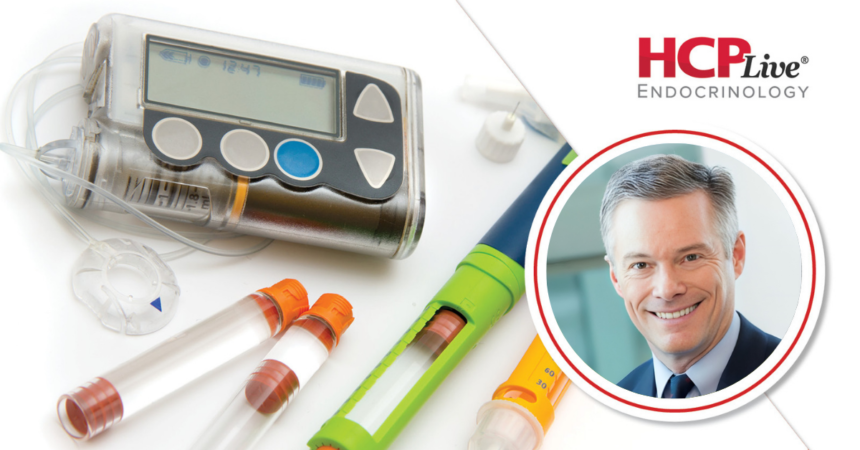
Continuous glucose monitoring (CGM), initially developed for
CGM devices provide real-time glucose responses to daily meals and behaviors, encouraging patients to make and sustain behavior changes to improve their symptoms. By facilitating personalized self-management and significant behavior and clinical benefits for patients, CGM has established itself as a cornerstone of diabetes therapy.1
“CGM has changed the management of type 2 diabetes, at least in a subset of the population, in very profound ways,” John Anderson, MD, an internal medicine and diabetes specialist at the Frist Clinic and past president of Medicine & Science for the American Diabetes Association (ADA), told HCPLive in an exclusive interview. “Patients have behavior changes as part of their CGM. They change their eating patterns, they exercise more. I’ve had several patients who think it’s the best thing they’ve ever had.”
Numerous randomized and real-world studies of CGM have shown its capacity for improving glycosylated hemoglobin, increasing time in range, and reducing glycemic variability, irrespective of the patient’s insulin use. Additionally, CGM has historically enhanced treatment satisfaction, psychological well-being, and self-efficacy. CGM also flags unrecognized glucose exertions beyond what conventional monitoring can reliably notice, allowing for earlier intervention in potential dysglycemia.1
Given these clinical and real-world findings, the recent 2026 ADA Standards of Care in Diabetes guidelines actively recommend the use of CGM in patients with T2D on insulin therapy. Data sourced for the guidelines indicated substantial improvements both early and late in trial duration in A1C levels. Additionally, the guideline notes that the use of professional CGM in patients who were not on insulin reduces A1C, according to recent studies.2
However, real-world implementation barriers, including cost, limited insurance coverage, and ongoing difficulties in translating data into actionable insights, are still preventing some patients from accessing this technology. Patients in low-income and rural settings exhibit the highest rates of these barriers. Additionally, a recent study has shown that a significant proportion of patients do not have a discussion with their clinicians regarding CGM use. This is attributed in large part to factors contributing to the insurance coverage and clinical utility of CGM. However, therapeutic inertia was also cited as a major driver.1,3
Anderson also discusses recent technological advancements in CGM devices, including integration with insulin pumps and automatic insulin delivery (AID) systems to optimize medication delivery and HbA1c monitoring for patients with T1D and T2D.
“I think the technology is getting closer to where these pumps and the CGMs will communicate and learn together,” Anderson said. “You’ll never truly have an artificial pancreas, but you can get as close to a closed loop system as you can.”
Editors’ Note: Anderson reports disclosures with Abbott, AstraZeneca, Boehringer Ingelheim, Eli Lilly, Janssen, Merck, and others.
References
-
Son H, Moon SJ, Cho YM. The Expanding Role of Continuous Glucose Monitoring in the Management and Prevention of Type 2 Diabetes. Diabetes Ther. 2026;17(2):201-216.
doi:10.1007/s13300-025-01830-8 -
Bajaj M, McCoy RG, Balapattabi K, et al. 7. diabetes technology: Standards of care in diabetes—2026. Diabetes Care. 2025;49(Supplement_1).
doi:10.2337/dc26-s007 -
Argueta AS, Ng JM, Zupa MF. Barriers to use of continuous glucose monitoring among adults with type 2 diabetes. Diabetes Research and Clinical Practice. 2026;235:113217.
doi:10.1016/j.diabres.2026.113217
Disclaimer: This content has not been generated, created or edited by Finance SC. Publisher:
Source link
Source link